


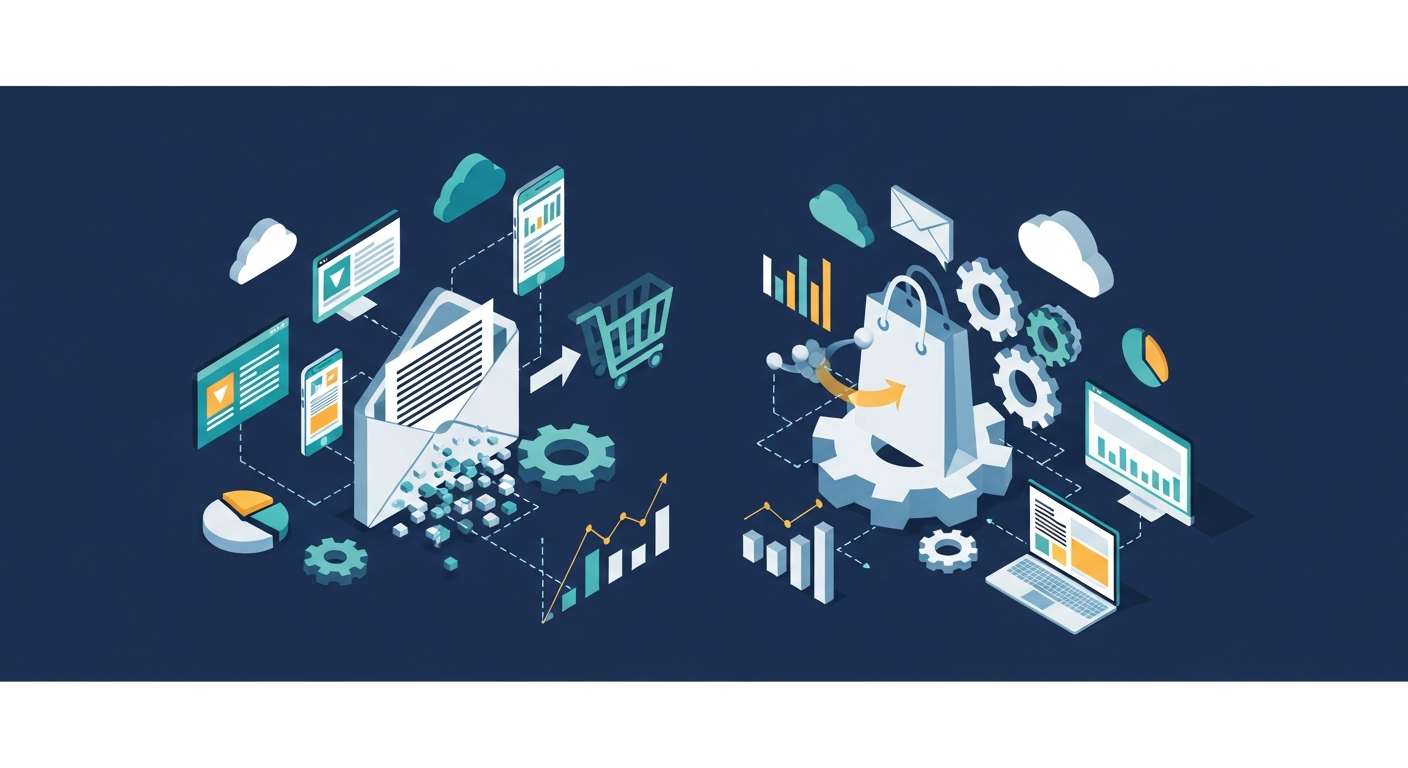
Email Marketing for E-Commerce: Turning Browsers into Buyers
Social media gets all the attention, but e-commerce email marketing quietly delivers some of the highest returns of any marketing channel. For every dollar spent on email marketing, the average return is over 40 dollars. No other channel comes close.
The reason is simple. Your email list is full of people who have already shown interest in your products. They have visited your store, signed up for updates, or made a purchase. They are warm leads, and email gives you a direct line to reach them without competing with social media algorithms.
In this article, we will cover how to build an email marketing strategy for your online store, the types of emails that drive sales, and practical tips for getting started even with a small list.
Building Your Email List
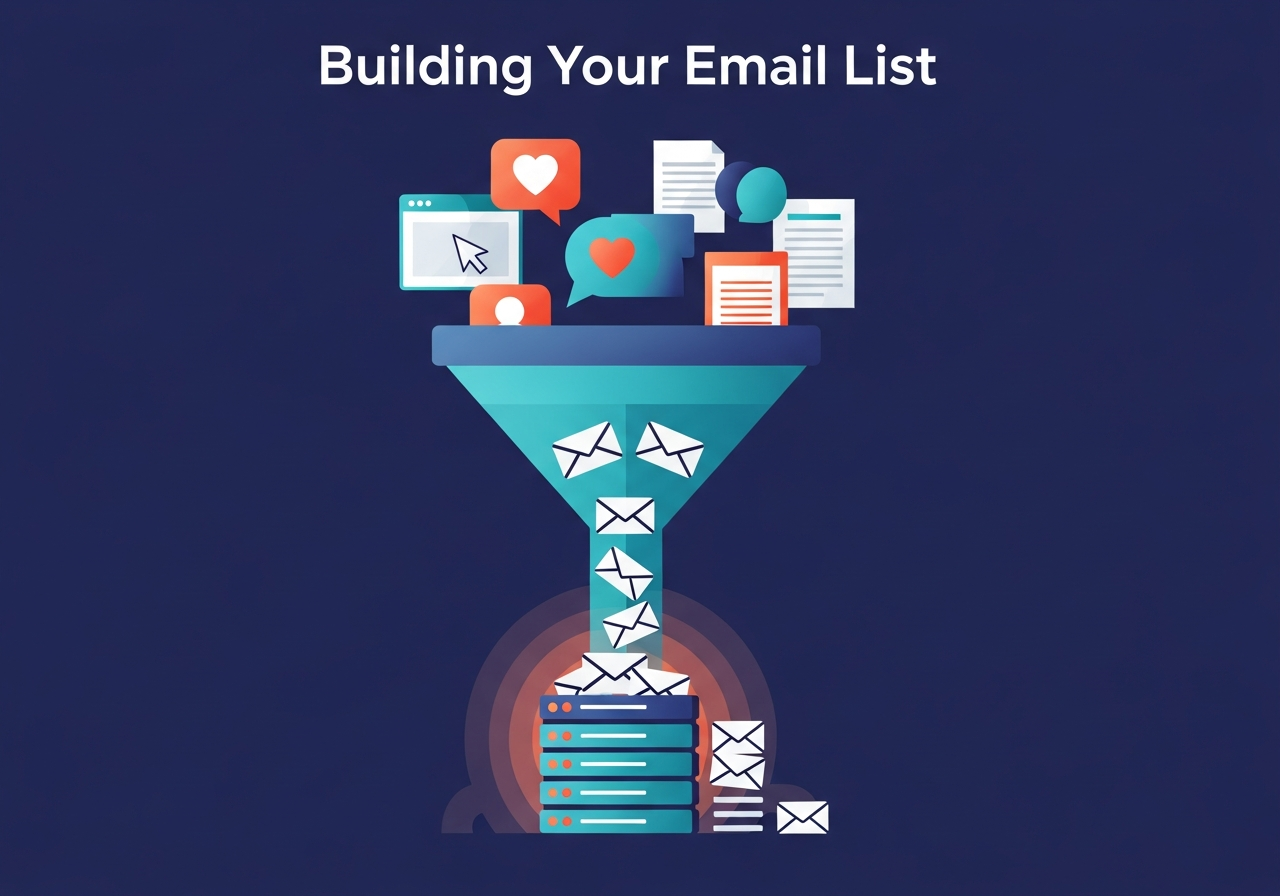
Before you can send emails, you need subscribers. The good news is that your e-commerce store generates list-building opportunities naturally.
Pop-Up Offers
Offer a discount (10% off your first order, for example) in exchange for an email address. Pop-ups that appear after a few seconds of browsing or when the visitor is about to leave the page are highly effective.
Checkout Opt-In
Add an email marketing opt-in checkbox during checkout. Customers who have just made a purchase are the most likely to want to hear from you again.
Content and Lead Magnets
Offer something valuable in exchange for an email: a buying guide, a style lookbook, a recipe book, or an exclusive first look at new collections. This works especially well when paired with the content marketing approach we discussed in our e-commerce SEO guide.
Essential Email Sequences for Online Stores
Welcome Series
When someone subscribes, send a sequence of two to three emails introducing your brand, your best-selling products, and any first-purchase incentive. This sets the tone for the relationship and often drives the first sale.
Abandoned Cart Emails
This is the single most profitable automated email you can set up. When a customer adds items to their cart but does not complete the purchase, send a reminder email within a few hours. Include the products they left behind, and consider offering a small incentive to complete the order.
Abandoned cart emails can recover 5% to 15% of lost sales, and some stores see even higher recovery rates. This ties directly to our article on reducing cart abandonment.
Post-Purchase Follow-Up
After a customer receives their order, send an email asking for a review, suggesting complementary products, or offering a discount on their next purchase. This builds loyalty and increases repeat purchases.
Promotional Campaigns
Regular emails about new arrivals, seasonal sales, and exclusive offers keep your brand top of mind. Do not send these every day. Two to four times per month is usually the right frequency for most e-commerce businesses.
- Segmentation: Do not send the same email to everyone. Segment your list by purchase history, browsing behavior, and engagement level for better results.
- Personalization: Use the customer’s name, recommend products based on their purchase history, and tailor offers to their interests.
- Mobile optimization: Most emails are opened on phones. Make sure your emails look great and are easy to tap through on small screens.
- Clear calls to action: Every email should have one clear goal, whether that is to visit a product page, complete a purchase, or read a blog post.
Choosing the Right Email Platform
Popular email marketing platforms for e-commerce include Mailchimp, Klaviyo, and Omnisend. Each offers automation features, templates, and integration with popular e-commerce platforms like WooCommerce and Shopify.
Klaviyo is particularly popular for e-commerce because of its deep integration with store data, allowing you to trigger emails based on specific customer actions and product interactions.
Measuring What Works
Track your open rates, click-through rates, and most importantly, revenue per email. These metrics tell you which emails are driving sales and which need improvement. A/B test your subject lines, send times, and offer types to continuously optimize.
For more on building a complete marketing strategy for your store, our digital marketing campaign guide provides the broader framework. And for content ideas to feed your email campaigns, check out our tips on creating content without burning out.
Getting Started with Limited Resources
You do not need a massive list or a dedicated marketing team to start with email. Even 50 subscribers are enough to begin testing and learning. Set up a welcome series and an abandoned cart email first. These two automations alone can generate meaningful revenue on autopilot.
As your list grows, add more sequences and campaigns. The beauty of email marketing is that it compounds over time. Every new subscriber joins your existing automations, and every campaign reaches a bigger audience. Start small, be consistent, and let the results build.
Masirat Technology builds e-commerce stores with email marketing integrations ready to go. Our web development team connects your store to the right email platform and sets up the automations that drive revenue. As a software development company in Oman, we combine development with SEO, app development, and solutions like Pharmasolo for specialized industries.


