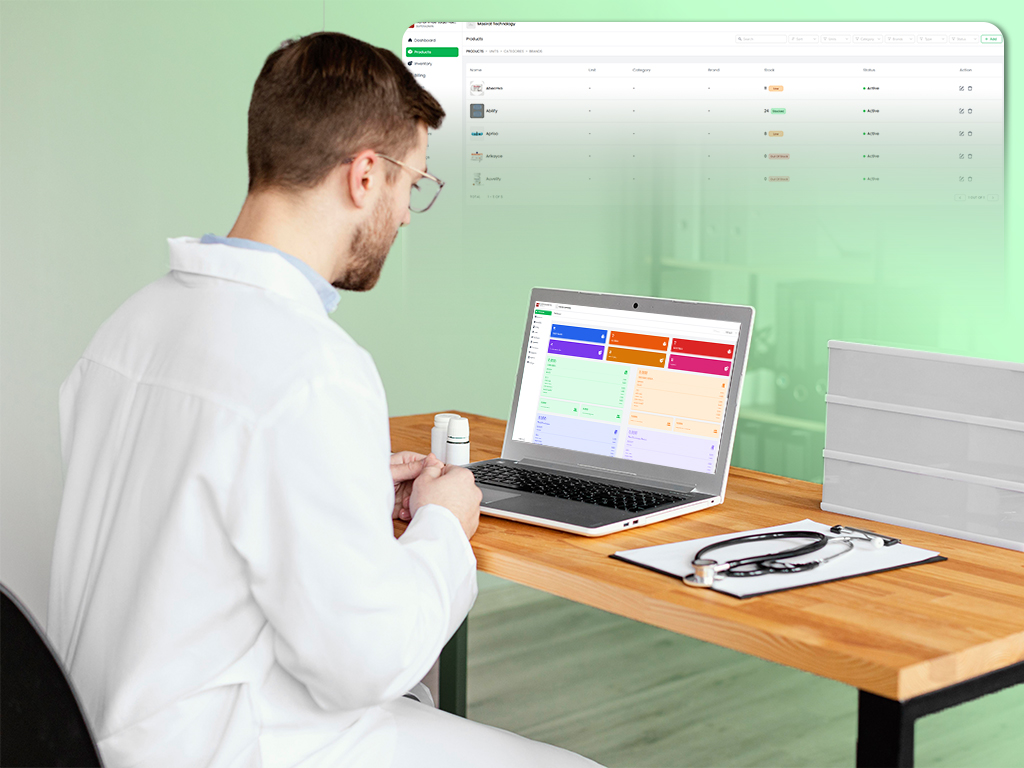
Data-driven pharmacies catch problems early. They know which products are moving, which are sitting on shelves losing value, and where their capital is tied up. They make decisions based on facts rather than hunches. The difference between struggling pharmacies and profitable ones often comes down to one thing: paying attention to the right pharmacy sales reports.
Here’s a reality check: inventory alone represents roughly 70-80% of a pharmacy’s costs. That’s the majority of your investment sitting on shelves. Yet many pharmacy owners rarely look at detailed inventory and sales data. They operate on feel, only checking reports when something seems wrong, by which time problems have already cost significant money.
One crucial weekly review can dramatically improve your bottom line. A comprehensive inventory and stock status report helps you see this massive investment up-close and make smart decisions about purchasing, pricing, and product mix. Below are the key weekly pharmacy sales reports and metrics every Omani pharmacy should check religiously.
Inventory Valuation and Turnover Report
Understanding the total value of your inventory and how quickly it moves is fundamental to pharmacy profitability. This pharmacy sales reports section tells you whether your capital is working efficiently or sitting idle.
Total Inventory Value This shows the complete value of stock currently on hand:
- Total valuation across all products
- Breakdown by category (medicines, OTC, health products, etc.)
- Comparison to previous weeks and months
- Trend showing whether inventory investment is growing or shrinking
A growing inventory value might indicate you’re overstocking. A shrinking value could mean you’re getting more efficient or potentially understocking popular items. Context matters, growth during peak season is normal, but constant growth without sales increases signals problems.
Inventory Turnover Rate This metric shows how often you sell and replace your entire inventory:
Turnover Rate = Annual Sales / Average Inventory Value
For most pharmacies, 8-12 turns per year is healthy. Higher turnover means you’re efficiently converting inventory to cash. Lower turnover suggests capital tied up too long in stock. Understanding comprehensive pharmacy management features helps you appreciate how good software supports these critical metrics.
Check turnover weekly to spot trends:
- Is turnover improving or declining?
- Which categories have strong vs. weak turnover?
- How do your numbers compare to previous months?
High-turnover items deserve priority attention, never let them stock out. Low-turnover items need action: promotions, reduced ordering or discontinuation.
These pharmacy sales reports give you visibility into your biggest investment and whether it’s working hard or hardly working.
Top-Selling and Slow-Moving Items Analysis
Not all products contribute equally to your success. Understanding which items drive profits and which drain resources helps you optimize your product mix.
Best Sellers Report Review your top-performing items weekly:
- Top 10 by sales volume: Which products sell most units?
- Top 10 by revenue: Which generate most total sales?
- Top 10 by profit: Which deliver highest profit margins?
These lists often differ. An item might sell high volume but have low margins. Another might have fewer sales but excellent profitability. You need to know both.
What to do with this data:
- Ensure best sellers never stock out
- Maintain adequate safety stock for top movers
- Review pricing on high-volume items for optimization opportunities
- Consider promoting high-margin items to boost profitability
Slow Movers Identification Flag items with minimal sales over the tracking period:
- Products that haven’t sold in 30, 60, or 90 days
- Items with declining sales trends
- Stock sitting on shelves beyond target turnover periods
Actions for slow movers:
- Run promotions to move inventory before expiry
- Reduce or stop reordering until stock depletes
- Consider returning to suppliers if possible
- Accept write-offs for dead stock and free up capital
Dead inventory ties up money and shelf space better used for profitable products. Regular pharmacy sales reports help you spot and address slow movers before they become expensive problems.
Proper inventory management requires knowing exactly which products deserve your attention and investment.
Expiry and Near-Expiry Report
Expired medications represent pure loss, you’ve paid for inventory you cannot sell. Near-expiry items are inventory at risk. Weekly monitoring prevents this preventable waste.
Products Expiring Soon Track items within 60-90 days of expiration:
- Complete list with quantities and expiry dates
- Total value of at-risk inventory
- Supplier information for potential returns
- Days remaining before expiry
This advance warning gives you time to take action:
- Move soon-to-expire items to front of shelves (FEFO – First Expiry, First Out)
- Run special promotions to accelerate sales
- Contact suppliers about return policies
- Adjust future ordering to prevent repeat situations
Already Expired Stock Items past their expiration date need immediate attention:
- Remove from active inventory immediately
- Document for accounting and compliance
- Process supplier returns where eligible
- Write off remaining expired stock
- Investigate why expiry wasn’t caught earlier
Weekly pharmacy sales reports should show this number consistently low or zero. If you’re regularly discovering expired stock, your monitoring system needs improvement.
Expiry Prevention Analysis Beyond just listing approaching expiries, analyse patterns:
- Which suppliers or products consistently approach expiry?
- Are you ordering too much of certain slow-moving items?
- Do seasonal items need different ordering patterns?
This analysis prevents future waste rather than just reacting to current problems. Quality pharmacy software automates these alerts, but you need to act on them.
Sales vs. Inventory Trends
Understanding the relationship between what you’re selling and what you’re stocking reveals whether your purchasing aligns with actual demand.
Weekly Sales Summary Review comprehensive sales data:
- Total sales revenue for the week
- Comparison to previous weeks
- Year-over-year comparison
- Daily breakdown showing busy and slow days
- Sales by category or product type
Look for patterns:
- Are sales growing, stable or declining?
- Which days are consistently strongest?
- Are there unexpected spikes or drops that need investigation?
Purchases vs. Sales Analysis Compare what you’ve purchased to what you’ve sold:
- Total purchases for the week
- Net inventory change (purchases minus sales)
- Whether inventory is growing or shrinking
- Purchase-to-sales ratio
Ideally, purchases should roughly match sales over time. If you’re consistently buying more than you’re selling, inventory grows and cash gets tied up. If you’re selling more than you’re buying, you risk stockouts.
Stock-to-Sales Ratio This pharmacy sales reports metric shows how many weeks of inventory you’re carrying:
Stock-to-Sales Ratio = Current Inventory Value / Average Weekly Sales
A ratio of 4-6 weeks is typical for most pharmacies. Higher ratios mean you’re overstocked. Lower ratios risk stockouts but improve cash flow.
Weekly monitoring shows whether you’re moving toward healthy ratios or drifting away from them. Beyond basic billing functions, quality pharmacy software should make generating these pharmacy sales reports quick and easy.
Key Insights and Actions from Weekly Reports
Data only helps if you act on it. Here’s how to turn pharmacy sales reports into improved operations and profitability.
Reorder Point Adjustments Based on actual sales velocity:
- Increase reorder points for items consistently selling faster than expected
- Decrease reorder points for slower movers
- Adjust safety stock levels seasonally
- Update order quantities to match current demand patterns
Don’t let reorder points become static. They should evolve with your actual sales experience.
Pricing Optimization Identify pricing opportunities:
- High-volume items with low margins might benefit from slight price increases
- Slow movers might need promotional pricing to move inventory
- Compare your pricing to local competition on key items
- Review margins on best sellers to ensure profitability
Small pricing adjustments across many transactions compound into significant profit impact.
Purchasing Strategy Refinement Optimize what, when, and how much you order:
- Consolidate orders to meet minimum quantities and reduce freight costs
- Time orders to avoid overstocking before slow periods
- Negotiate better terms with suppliers on high-volume items
- Switch suppliers for products where you’re consistently disappointed with service or pricing
Cost Control Before Problems Grow Catch issues while they’re still manageable:
- Spot unusual inventory growth before cash flow problems develop
- Identify expanding slow-stock problems before they tie up significant capital
- Notice declining sales trends before they seriously impact revenue
- See approaching expiries with time to take preventive action
Weekly attention prevents small issues from becoming expensive crises.
Staff Performance Insights While not strictly inventory-focused, sales data reveals performance patterns:
- Transaction volumes by staff member
- Average transaction values
- Error rates and return frequencies
- Busy period handling efficiency
This information helps with scheduling, training and recognition of top performers.
Why Masirat Technology’s PharmaSolo Makes This Easy
Manual report generation is tedious. Pulling data from multiple sources, assembling spreadsheets, and calculating metrics wastes time you don’t have. This is why many pharmacies skip weekly reviews despite knowing they’re important.
PharmaSolo’s automated pharmacy sales reports solve this problem.
Our system generates all critical weekly reports with a few clicks:
- Inventory valuation and turnover calculated automatically from your sales and inventory data
- Top seller and slow mover reports ranked by your choice of criteria (volume, revenue, profit)
- Expiry tracking with automatic alerts at 90, 60, and 30 days before expiration
- Sales vs. inventory analysis showing trends and ratios that reveal purchasing effectiveness
- Customizable dashboards displaying your most important metrics front and center
Instead of spending an hour compiling data, you spend 30 minutes reviewing insights and making decisions. The reports are accurate, consistent, and available whenever you need them.
PharmaSolo goes beyond basic reporting:
- Compare performance across multiple weeks or months with one click
- Drill down from summary data into detailed transactions
- Export reports for sharing with accountants or stakeholders
- Set automatic email delivery of key reports weekly
- Access reports from anywhere through our cloud-based system
Pharmacies using PharmaSolo consistently report better inventory control, fewer expiries, improved cash flow, and more confident decision-making. The difference comes from having the right data at the right time in the right format.

Take Control of Your Pharmacy’s Performance
Automate your weekly pharmacy sales reports and make data-driven decisions with ease.
Your Path to Data-Driven Success Starts Now
Consistently running weekly pharmacy sales reports gives you visibility where it matters most. You catch problems early, spot opportunities first, and make confident decisions based on facts rather than guessing.
Masirat Technology has been Oman’s trusted pharmacy software partner for years. We understand the unique challenges Omani pharmacies face because we work with them every day. We don’t just sell software—we partner with pharmacies to help them succeed.
Our customers tell us PharmaSolo’s pharmacy sales reports have helped them:
- Reduce expired inventory waste by 40-60%
- Improve inventory turnover by 25-35%
- Free up capital previously tied in excess stock
- Make purchasing decisions with confidence
- Spot problems before they impact profitability
Ready to see how PharmaSolo transforms pharmacy operations through better data visibility?
Contact Masirat Technology today for a personalized demo where we’ll show you exactly how PharmaSolo generates the pharmacy sales reports your business needs. We’ll walk through real examples from Omani pharmacies and demonstrate how quick and easy weekly reviews become.
Don’t spend another week flying blind. Partner with Masirat Technology and PharmaSolo to put data-driven decision-making at the heart of your pharmacy operations.
Masirat Technology helps businesses in Oman succeed with the right technology and strategy. We are a leading digital marketing Company that builds strong online campaigns. As a top software development company in Oman, we also create custom websites and mobile apps. Partner with us for expert App & Web development in Oman.
Your more profitable, efficient, data-smart pharmacy starts with one conversation.
CONTACT US TODAY.

Minaz Noori is the Content Writer behind Masirat Technology’s digital voice. She specializes in creating SEO-driven, audience-focused content that enhances visibility, strengthens brand presence, and drives engagement across digital platforms.