


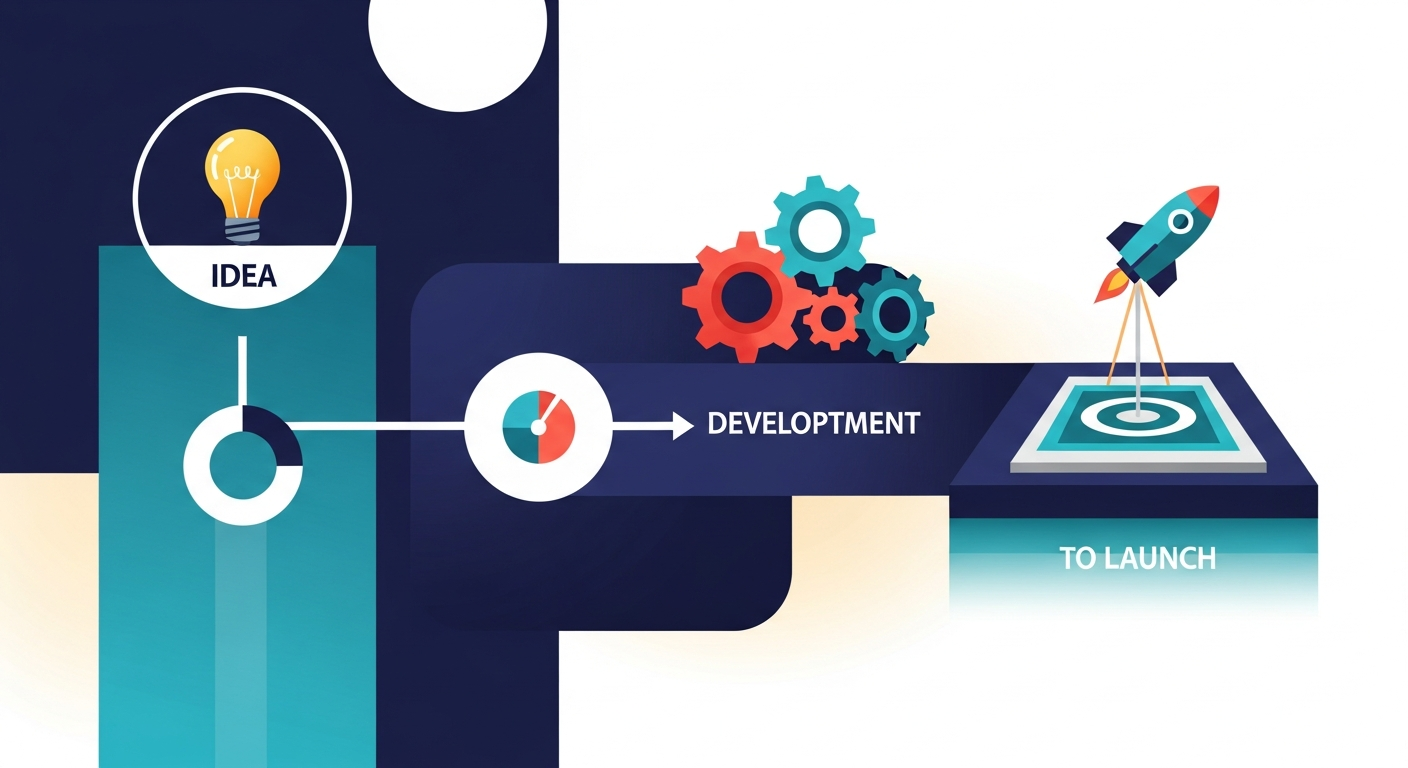
Software Development Process Explained: From Idea to Launch
If you have ever wondered how an idea turns into a working piece of software, you are not alone. The software development process can seem mysterious from the outside, but it actually follows a logical, step-by-step path that any business owner can understand.
Knowing how this process works gives you a real advantage. It helps you set better expectations, ask the right questions, and make smarter decisions when working with a development team. You do not need to be technical to follow along.
In this article, we will walk you through each phase of the software development lifecycle, from the first spark of an idea all the way to launch day and beyond. If you are thinking about building something, this is the foundation you need before diving in with a software development company in Oman.
Phase 1: Discovery and Planning
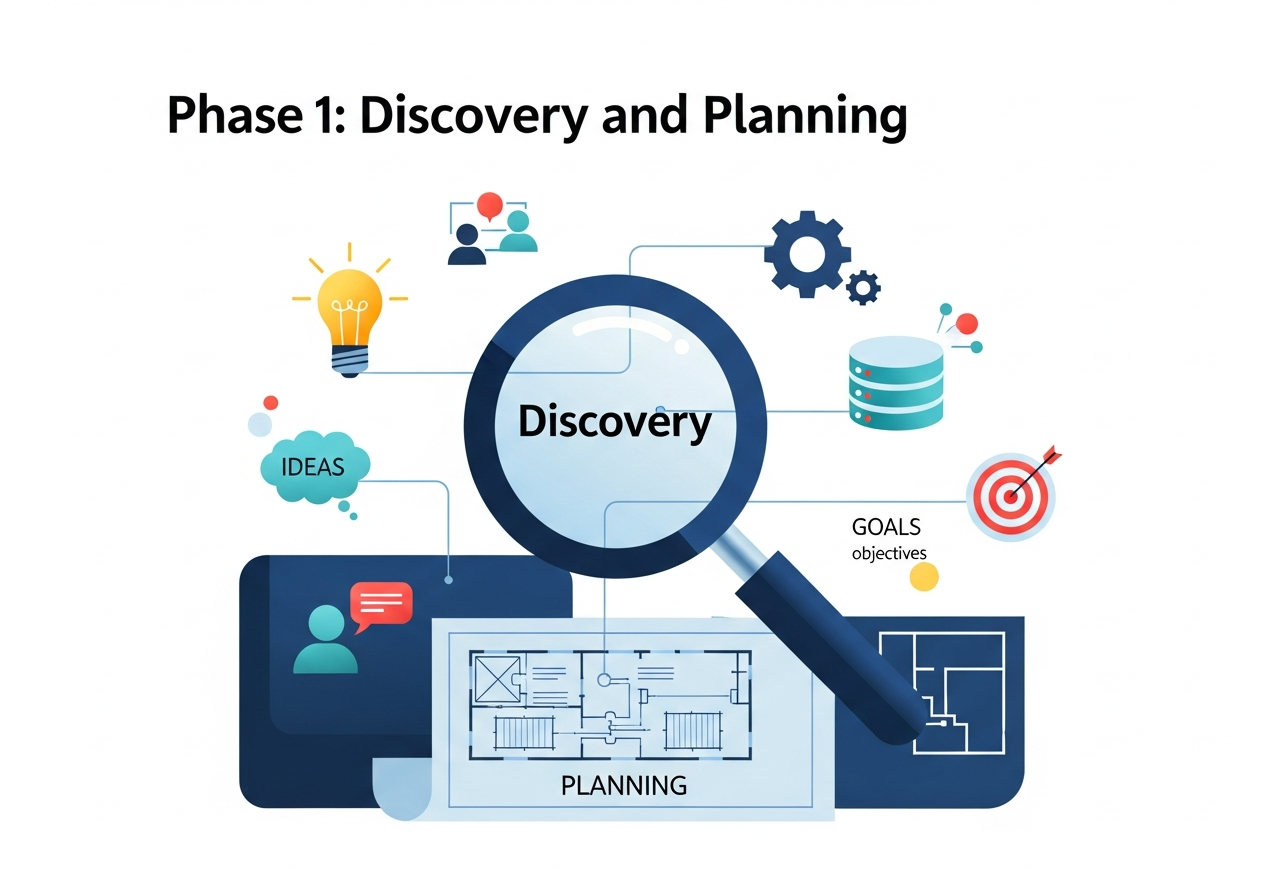
Every successful software project starts with a conversation. This is the discovery phase, where you and your development team sit down and talk about what you want to build, why you need it, and who will use it.
During this phase, the team will ask questions about your business goals, your target audience, and any existing systems that need to connect with the new software. They will also discuss budget and timeline so everyone starts on the same page.
The output of this phase is usually a project brief or scope document that outlines everything the software needs to do. Getting this right early on saves a tremendous amount of time and money later. If you want help with this step, our guide on writing a software requirements document breaks it down in simple terms.
Phase 2: Design and Prototyping
Once the planning is done, the design phase begins. This is where the development team creates wireframes and prototypes that show how the software will look and feel before any code is written.
Think of wireframes as the blueprint for a building. They map out every screen, every button, and every user flow. This gives you a chance to see and interact with a rough version of the product before committing to the full build.
Why Prototyping Matters
Prototyping is one of the most valuable parts of the process because it catches problems early. If a navigation flow does not make sense or a feature is missing, it is much easier to fix at this stage than after thousands of lines of code have been written.
Good design also considers the people who will actually use the software. The interface needs to be clean, intuitive, and easy to navigate. A well-designed product does not just work well. It feels good to use, and that makes adoption much smoother across your team.
Phase 3: Development and Coding
This is where the actual building happens. Developers take the approved designs and start writing the code that brings everything to life. Depending on the project, this might involve front-end development (what users see), back-end development (the systems behind the scenes), or both.
Most modern teams work in short cycles called sprints, usually one to two weeks long. At the end of each sprint, you get to see what has been built and provide feedback. This agile approach keeps the project moving forward while giving you regular checkpoints.
- Front-end development: Building the user interface, the screens, forms, buttons, and visual elements that users interact with.
- Back-end development: Creating the server, database, and logic that power the application behind the scenes.
- Integration: Connecting the software with other tools and systems your business already uses.
If you are curious about the technologies involved, our article on MERN stack project ideas gives you a look at one of the most popular tech stacks used today.
Phase 4: Testing and Quality Assurance
Before any software goes live, it needs to be tested thoroughly. The testing phase catches bugs, performance issues, and usability problems that might have slipped through during development.
A good QA process includes multiple types of testing. Functional testing checks that every feature works as expected. Performance testing ensures the software runs smoothly under load. Security testing verifies that user data is protected and vulnerabilities are addressed.
Testing is not a one-time event. It happens throughout development, with each sprint delivering tested, working features. The goal is to catch and fix issues early, not scramble to patch them after launch. For tips on keeping your software performing well, check out our guide to optimizing website performance.
Phase 5: Launch and Deployment
Launch day is exciting, but it is not the finish line. Deploying the software involves making it available to users, setting up hosting and server infrastructure, and ensuring everything runs smoothly in the production environment.
A good development team will plan the launch carefully. This might include a soft launch to a small group of users first, followed by a full rollout once everything checks out. Having a rollback plan in case something goes wrong is also standard practice.
If you are building a mobile app, the process also includes submitting to app stores and meeting their review requirements. Our article on going from idea to app store covers that journey in detail.
Phase 6: Maintenance and Growth
After launch, the real work continues. Software needs regular maintenance to stay secure, performant, and relevant. This includes bug fixes, security updates, performance improvements, and adding new features as your business grows.
The best scalable software solutions are built with growth in mind from the start. But even the best-built software needs ongoing attention. Think of it as a living product that evolves alongside your business.
If you want to understand what to plan for after launch, our dedicated article on software maintenance and post-launch support covers everything you need to know.
Let Masirat Help You Build What Is Next
Masirat helps businesses in Oman grow with the right mix of technology and strategy. We are a trusted SEO Expert in Oman, focused on building strong and sustainable online campaigns. As a leading software development company in Oman, we design and develop custom websites, mobile apps, and scalable digital solutions. Through Pharmasolo, our pharmacy management software in Oman, we also support healthcare businesses with smarter, more efficient operations. Partner with Masirat for reliable App & Web development in Oman backed by real experience.


1 Comment
How to Write a Software Requirements Document (Simple Guide) - Masirat Technology
March 23, 2026[…] written one before. And if you are new to the development process in general, our overview of the software development process from idea to launch is a helpful starting […]