



How Long Does It Take to Build Custom Software? Realistic Timelines
One of the most common questions business owners ask is: how long will it take to build my software? And honestly, there is no single answer. The software development timeline depends on the complexity of your project, the features you need, the size of the development team, and how well the project is planned from the start.
That said, there are realistic ranges you can use to set expectations and plan accordingly. Understanding what affects the timeline helps you avoid surprises and gives you the knowledge to push back on estimates that seem too good to be true.
In this article, we will break down the typical timelines for different types of software projects and share practical tips for keeping your project on track. If you want a full understanding of the development workflow, start with our guide on the software development process from idea to launch.
Typical Timelines for Common Project Types
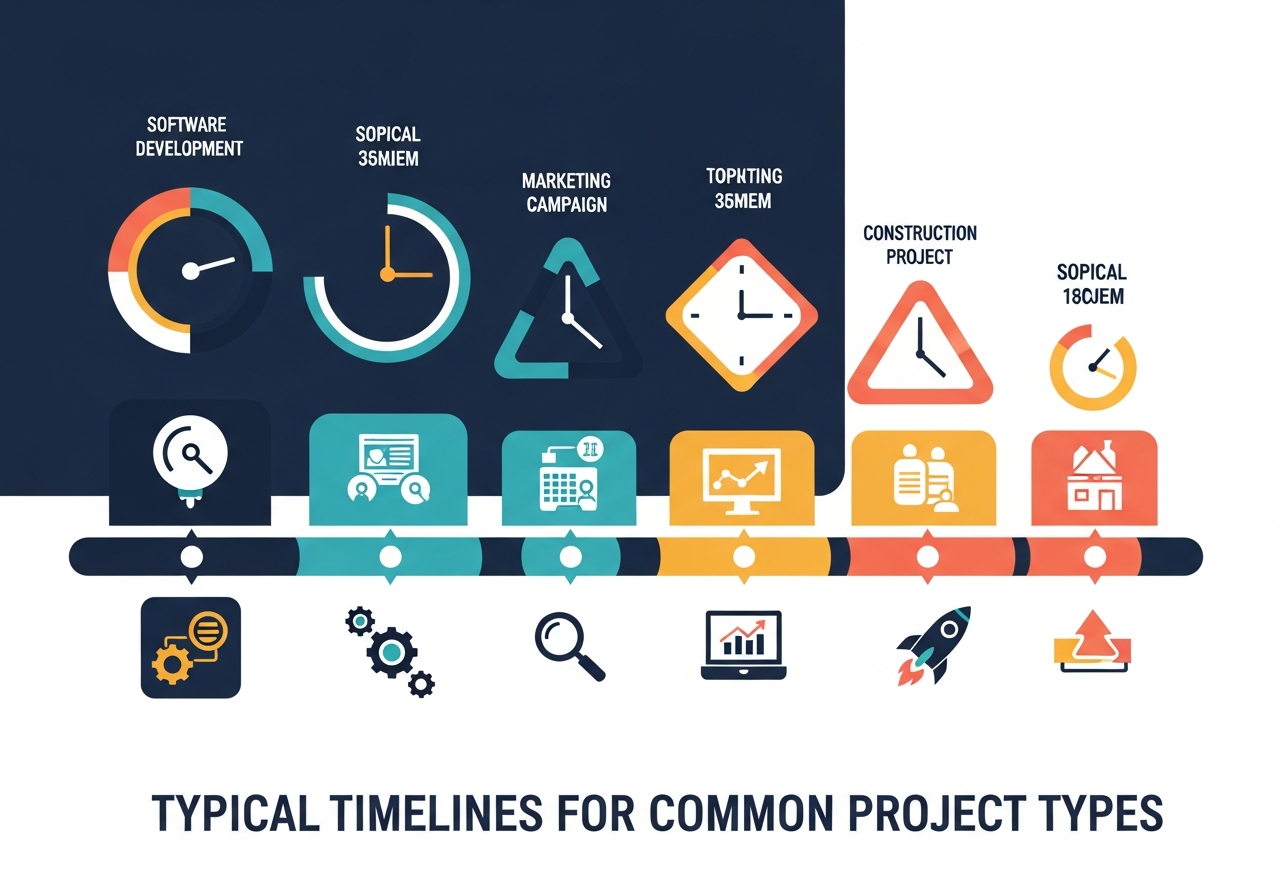
Every project is different, but here are some general ranges based on the type of software you are building.
Simple Websites and Landing Pages
A basic business website or landing page with a few pages, a contact form, and standard design can usually be completed in two to four weeks. If you need custom design work or content creation, add another week or two.
Web Applications
A web application with user authentication, dashboards, data management, and basic reporting typically takes three to six months. More complex applications with custom integrations, real-time features, or advanced analytics can take six months to a year.
Mobile Applications
A mobile app for a single platform (iOS or Android) with core features usually takes three to five months. Building for both platforms simultaneously or adding complex features like offline mode, push notifications, and payment processing extends the timeline to five to eight months or longer.
Enterprise Software
Large-scale enterprise solutions with multiple user roles, complex workflows, reporting systems, and integrations with existing tools can take anywhere from six months to over a year. These projects often roll out in phases rather than as a single release.
What Factors Affect the Timeline?
Several variables can push a project forward or pull it back. Understanding these helps you plan more realistically.
- Clarity of requirements: Projects with well-defined requirements start faster and encounter fewer delays. A solid software requirements document is one of the best investments you can make early on.
- Project complexity: More features, more integrations, and more users all add time. Start simple and build from there.
- Team size and availability: A larger team can move faster, but coordination becomes more complex. The right team size depends on the project scope.
- Feedback and decision speed: How quickly you review progress, provide feedback, and approve designs has a direct impact on the timeline. Delays on the client side are one of the most common causes of projects running late.
- Technology choices: Some technologies are faster to develop with than others. Your development team should recommend a stack that balances speed with long-term maintainability.
The MVP Approach: Getting to Market Faster
If time is a critical factor, the MVP approach is your best friend. Instead of building everything at once, you launch with the core features that deliver the most value and add the rest over time.
An MVP, or minimum viable product, can often be built in six to twelve weeks. This gets your product into the hands of real users much sooner, and the feedback you collect helps you prioritize what to build next.
Many successful products in Oman and beyond started as MVPs and grew into full-featured platforms over time. The key is launching something that works well, even if it does not do everything yet.
How to Keep Your Project on Schedule
Delays happen, but most of them are preventable with the right approach. Here are some practical tips for keeping things on track.
Start with a detailed plan. Before any code is written, make sure everyone agrees on the scope, the milestones, and the delivery dates. This plan becomes the roadmap for the entire project.
Communicate regularly. Weekly check-ins or sprint reviews keep everyone aligned and give you a chance to catch issues before they become blockers. If your development team uses agile methodology, you will naturally have these touchpoints built into the process.
Avoid scope creep. Adding new features mid-project is one of the most common reasons timelines get blown. If a new idea comes up, document it for a future release rather than squeezing it into the current one.
And finally, be responsive. When your development team asks for feedback or a decision, respond quickly. Every day of waiting on the client side adds a day (or more) to the project timeline.
Getting an Accurate Estimate
When you ask a development company for a timeline estimate, the quality of that estimate depends on the quality of information you provide. A rough idea will get you a rough estimate. A detailed requirements document with wireframes will get you a much more accurate one.
Be cautious of any company that gives you a firm timeline without first understanding your requirements in detail. And be equally cautious of timelines that sound unrealistically short. If you want to understand the cost side of the equation, our FAQ on custom software development costs in Oman pairs well with this topic.
The right software development partner in Oman will be honest about timelines, communicate proactively about any changes, and work with you to find the right balance between speed and quality.
Let Masirat Help You Build What Is Next
Masirat helps businesses in Oman grow with the right mix of technology and strategy. We are a trusted SEO Expert in Oman, focused on building strong and sustainable online campaigns. As a leading software development company in Oman, we design and develop custom websites, mobile apps, and scalable digital solutions. Through Pharmasolo, our pharmacy management software in Oman, we also support healthcare businesses with smarter, more efficient operations. Partner with Masirat for reliable App & Web development in Oman backed by real experience.


